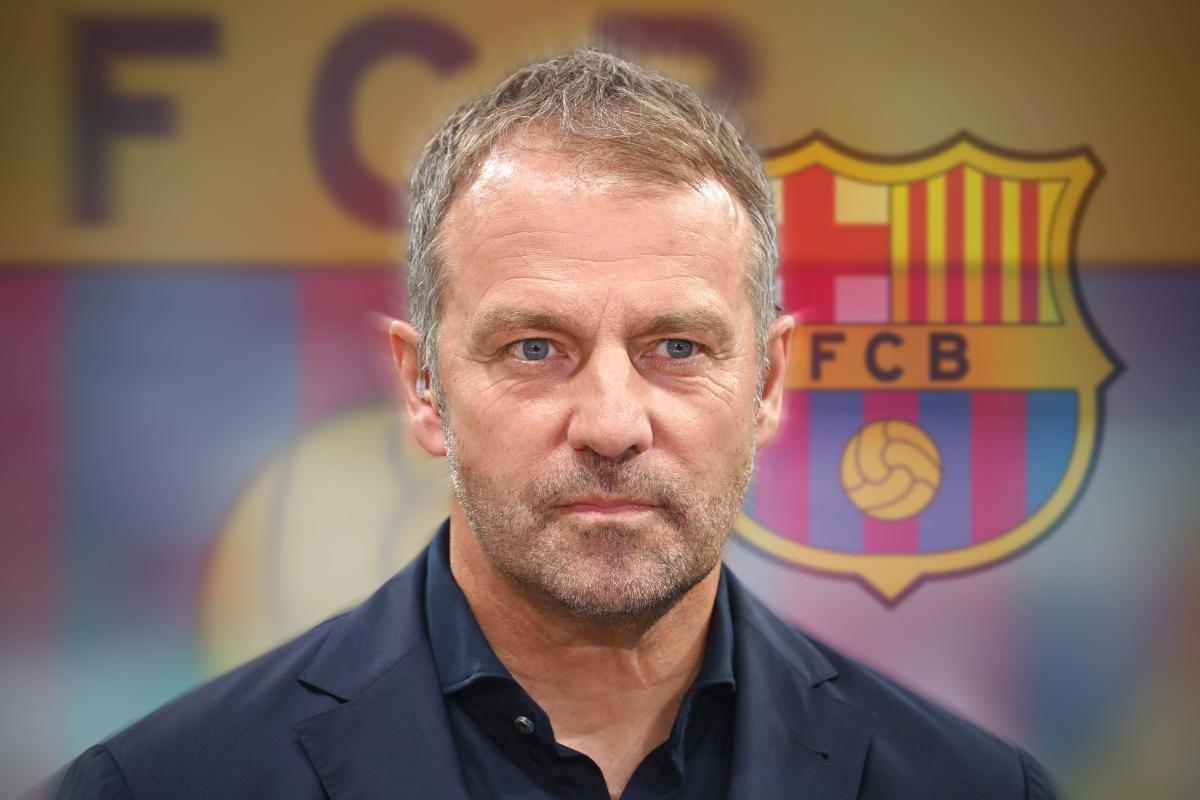
Barcelona's Strategic Play: How Hansi Flick's Performance-Based Salary Incentivizes Success
The football world held its breath in May 2024 as FC Barcelona announced the appointment of Hansi Flick, the esteemed German tactician, as their new head coach. Succeeding club legend Xavi Hernández, Flick's arrival marked a pivotal moment for a club in transition, both on and off the pitch. While the sporting ambitions were immediately clear – to restore Barcelona to its former glory – keen observers quickly turned their attention to the financial intricacies of this high-profile move. Central to the discussion was Hansi Flick's salary, a figure that, upon initial inspection, seemed surprisingly modest for a manager of his pedigree taking the reins at one of Europe's giants. However, a deeper dive reveals a shrewd strategic approach by the Catalan club, designed to incentivize success and navigate their ongoing financial challenges.
Unpacking Hansi Flick Gehalt: A Detailed Look at His Barcelona Deal
Hansi Flick's contract with FC Barcelona is set to run until the summer of 2026, a standard two-year term offering stability for a new project. The most talked-about aspect of this agreement is his annual basic salary, reported to be approximately three million Euros net. This figure immediately raised eyebrows for several reasons. Firstly, it stands in stark contrast to his predecessor, Xavi, who was earning roughly six million Euros annually. This significant reduction highlights Barcelona's commitment to financial austerity and a clear shift in their compensation philosophy.
Furthermore, Flick's current Barcelona basic pay is less than half of what he commanded during his tenure as coach of the German national team (DFB) and significantly lower than his reported earnings at Bayern Munich, where he achieved historic success, including a sextuple. This comparison underscores the unique nature of his Barcelona deal. The term "net" is crucial here, meaning Flick will receive this amount after taxes, which is a common practice in top-tier football contracts, but it doesn't mask the underlying difference from market norms for elite coaches. For a comprehensive breakdown and comparison, you can explore
Hansi Flick's Barcelona Salary: Basic Pay, Bonuses, & Xavi Comparison.
The Power of Performance: Incentives Driving Ambition
While the three-million-Euro net base salary for Hansi Flick might appear conservative for a coach expected to deliver immediate European success, it's merely one part of a carefully constructed compensation package. The true potential of Hansi Flick's Gehalt lies in its performance-related bonuses. Barcelona has structured his contract with substantial incentives tied directly to major sporting achievements, clearly aligning the coach's financial interests with the club's on-field objectives.
Here’s how the bonus structure is reported:
- UEFA Champions League Triumph: A substantial bonus of one million Euros is allocated should Flick guide Barcelona to victory in Europe's most prestigious club competition. This reflects the club's yearning to reclaim its place at the pinnacle of European football and the immense financial and reputational rewards associated with winning the Champions League.
- La Liga Championship: Securing the Spanish league title comes with an additional incentive of 750,000 Euros. La Liga success is not only a marker of domestic dominance but also a crucial pathway to consistent Champions League qualification, providing sustained revenue and prestige.
These performance-based clauses transform Flick's compensation from a relatively modest fixed income into a potentially lucrative one. They send a clear message: financial rewards are directly proportional to sporting achievements. This model is a powerful motivator, placing a premium on results and encouraging Flick to extract the very best from his squad, knowing that every major trophy directly impacts his personal income.
Barcelona's Masterstroke: Strategic Compensation in Challenging Times
Barcelona's decision to structure Hansi Flick's salary with a lower base and high incentives is not arbitrary; it's a deliberate and astute strategy born out of necessity and ambition. The club continues to grapple with significant financial constraints, a legacy of past spending and challenging economic conditions. In this context, committing to an astronomical fixed salary for a new coach would have been financially irresponsible and potentially unsustainable.
By adopting a performance-based model, Barcelona achieves several critical objectives:
- Financial Prudence: It mitigates financial risk. The club is not burdened with a massive fixed overhead regardless of performance. Payouts for success are typically accompanied by increased prize money, broadcasting revenues, and commercial opportunities, making them more sustainable.
- Risk-Reward Alignment: It perfectly aligns the coach's personal financial goals with the club's sporting aspirations. Flick is directly incentivized to win, turning the club's objectives into his own. This fosters a high-performance culture from the top down.
- Proof of Ambition: Despite the lower base, the significant bonuses demonstrate Barcelona's unwavering ambition for major trophies. It's a statement that while they are financially prudent, they are not settling for mediocrity.
- Motivation for an Elite Coach: For a coach of Flick's caliber, who has tasted the highest levels of success, the allure isn't just a basic paycheck. It's the challenge, the prestige, and the opportunity to add more major titles to his illustrious CV. The bonuses simply sweeten the deal and quantify the value of that success.
The question inevitably arises:
Hansi Flick's Barcelona Paycheck: Is 3 Million Enough? For a manager accustomed to higher fixed salaries, it undoubtedly requires a certain confidence in one's abilities to accept such a structure. However, for a coach with Flick's track record and desire to prove himself at another European giant, the potential upside, both financially and in terms of legacy, likely outweighs the perceived downside of a lower base. It's a calculated gamble that benefits both parties if success materializes.
Beyond the Paycheck: Flick's Broader Ambitions and Legacy
Hansi Flick's move to Barcelona transcends the immediate financial figures of Hansi Flick's Gehalt. Born in Heidelberg, Flick has steadily built a reputation as one of modern football's most astute and successful tacticians. His playing career, notably with VfB Stuttgart, laid the groundwork for a coaching journey that peaked dramatically at Bayern Munich. Taking over mid-season in 2019, he led Bayern to an unprecedented sextuple in 2020, showcasing his ability to instill a winning mentality and implement a high-intensity, attacking style of football. This period solidified his status as a world-class coach.
His subsequent role as Bundestrainer for the German national team further cemented his profile as a strategic leader on the international stage. Therefore, his decision to join Barcelona, despite a comparatively lower fixed salary, speaks volumes about his ambition. Barcelona offers him the immense challenge of rebuilding a legendary club, working with some of the game's brightest young talents, and competing for the biggest trophies in a new league.
For Flick, this opportunity is about:
- Legacy Building: Proving his success wasn't solely tied to Bayern's infrastructure but a testament to his tactical prowess and man-management skills.
- Global Renown: Leading Barcelona back to glory would elevate his standing even further, cementing his place among the pantheon of managerial greats.
- Personal Challenge: The unique pressures and expectations of Barcelona offer a fresh impetus and a chance to demonstrate adaptability and resilience.
The financial incentives, while significant, are secondary to the prestige and professional growth that guiding Barcelona to success would bring. This holistic view of his compensation package—combining a practical financial strategy with deep-seated professional ambition—is what truly defines Hansi Flick's tenure at FC Barcelona.
Conclusion
Hansi Flick's appointment at FC Barcelona, accompanied by a strategically crafted salary package, represents a fascinating case study in modern football management. His annual net base of three million Euros, significantly lower than his predecessor and previous roles, is carefully balanced by substantial performance-based bonuses for winning the Champions League and La Liga. This structure is a clear reflection of Barcelona's ongoing financial realities and a clever mechanism to align the coach's interests directly with the club's yearning for major silverware.
Far from being a sign of undervaluing Flick, this compensation model is a testament to Barcelona's strategic thinking – mitigating financial risk while powerfully incentivizing success. For Flick, a coach with a proven track record of triumph, the appeal lies not just in the potential financial rewards, but in the immense challenge and opportunity to restore one of football's most iconic clubs to its rightful place at the pinnacle of European football. His success on the pitch will not only determine the size of his paycheck but also solidify his legacy as one of the game's transformative figures.